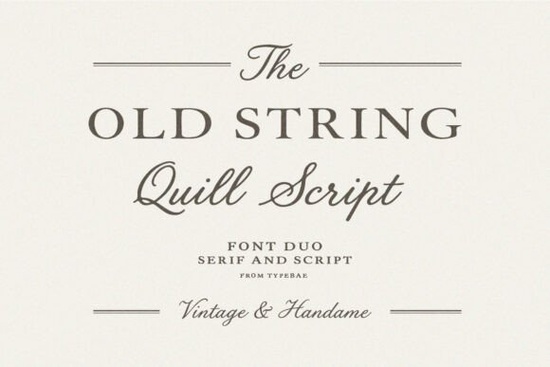
When you need typography that feels both historic and highly readable, finding the right balance between structure and flow is essential. The Old String Font offers exactly that by pairing a classic vintage serif with a delicate quill-style script. This combination gives designers, crafters, and small business owners a reliable tool for projects that require a touch of heritage and warmth.
What makes a vintage serif font work for weddings and branding?
Wedding invitations and high-end branding rely heavily on emotional connection. When guests or customers see a beautifully crafted typeface, they immediately associate that care with your event or product. This specific font duo achieves that by contrasting a structured, traditional serif with a flowing, handwritten script. The serif grounds the design, ensuring readability, while the script adds a personal, artisanal touch. If you are exploring other options for your wedding suite, you might also look at a more dreamy serif option to see how different visual weights affect the overall mood of your paper goods.
How do I pair a quill script with a structured serif?
Using a font duo effectively means knowing when to let each style take the lead. The general rule is to use the script for short, impactful elements like monograms, names, or short headings. The serif should handle the bulk of your text, such as event details, body copy, or longer brand descriptions. This prevents visual clutter and keeps the reader's eye moving smoothly down the page. While this specific duo leans toward classic and refined, you can always mix it with a lighter, more upbeat serif for secondary text if you want to keep the primary design feeling traditional but add a slightly modern twist to the smaller details.
Where does this typography style perform best in packaging and editorial layouts?
For print-on-demand sellers and product creators, packaging needs to stand out on a shelf while still communicating quality. The artistic character of a quill script paired with a solid serif works exceptionally well on artisanal goods like candles, soaps, or specialty foods. It tells the buyer that the product is handcrafted and thoughtful. In editorial layouts, consistency is key. If you need a similar classic feel but want to test a different proportion, trying a tall, elegant serif alongside your script can help you find the perfect visual rhythm for your magazine spreads, lookbooks, or product labels.
What are the best practices for using script fonts in small business logos?
A logo needs to be legible across all mediums, from a large storefront sign to a tiny social media profile picture. When designing a logo with a script and serif combination, avoid using the script for the entire business name if it contains many letters. The delicate strokes of a quill style can blur together when scaled down. Instead, use the script for a single accent word or an initial, and let the serif carry the main brand name. Always test your logo at small sizes. If the quill details get lost, you can rely on the main serif face of this specific font to carry the brand name on its own without losing its vintage charm.
Quick Checklist for Implementing Your New Font Duo
- Test at multiple sizes: Print your design or view it on a mobile screen to ensure the script remains legible when scaled down.
- Adjust the tracking: Give the vintage serif a little extra letter spacing to enhance its classic, breathable feel.
- Limit your color palette: Let the intricate details of the quill script shine by using high-contrast, simple background colors like cream, deep navy, or charcoal.
- Create a hierarchy: Clearly define which font is for headers and which is for body text before you start your final layout.
Before finalizing your next design project, take five minutes to set up a simple style guide in your design software. Type out your most common words, apply both the serif and the script, and adjust the sizing until the contrast feels perfectly balanced. This small step will save you hours of tweaking later and ensure your branding looks cohesive across every platform.
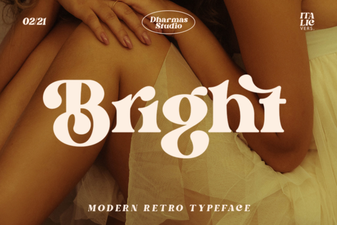 Bright Font Choices for Modern Website Design
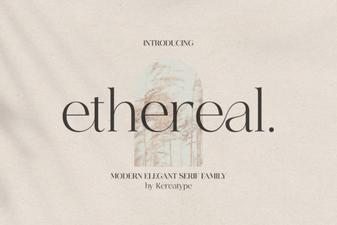 Ethereal Fonts for Inspirational Web Projects
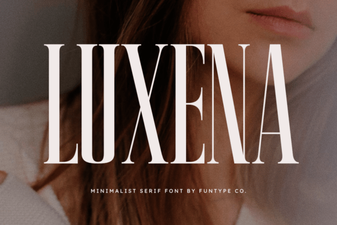 Luxena Font Design: Style Tips & Creative Projects
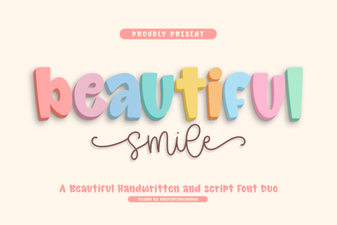 Download Beautiful Smile Fonts for Creative Designs
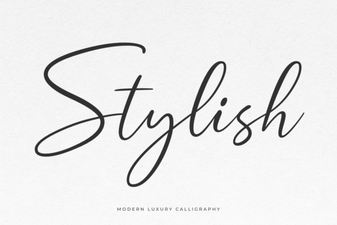 Creative Font Styles for Modern Designs
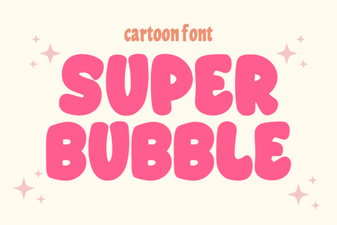 Super Bubble Font Design Inspiration & Free Templates