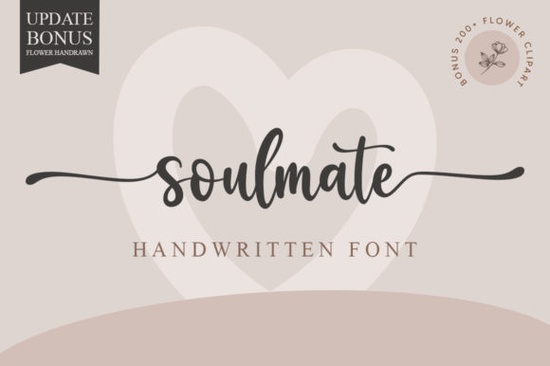
If you are looking for an elegant handwritten typeface for your next wedding project, the Soulmate Font offers a stylish and highly readable script. It is specifically designed to give your work a personal, handcrafted feel without sacrificing legibility. Whether you are a graphic designer working on branding or a crafter making custom greeting cards, this typeface provides the perfect balance of sophistication and warmth.
What makes this handwritten typeface stand out for weddings and invitations?
When designing wedding invitations or thank you cards, the typography needs to feel intimate and special. This specific typeface delivers a flowing, connected style that mimics natural handwriting. The varying stroke widths give it a dynamic look, making it ideal for couple's names or special dates. If you are exploring other options for your stationery suite, you might also want to look at classic script alternatives to see how different weights affect the overall mood of your invitation.
The beauty of using a dedicated wedding font is that it instantly sets a romantic tone. You can use it for menu cards, seating charts, and even the backing of your photo albums. Because the letters connect smoothly, it reads beautifully even at smaller sizes, which is crucial for detailed event layouts.
How do the PUA encoded features help during the design process?
One of the most practical aspects of this typeface is its PUA (Private Use Area) encoding. For designers who might not be familiar with the technical side, this simply means that all the extra characters, swashes, and alternate glyphs are mapped to standard keyboard keys or easily accessible in your software's glyph panel.
You do not need to rely on complex OpenType features or specific software plugins to access the beautiful flourishes. You can just type and select the alternate characters directly. This saves a massive amount of time when you are trying to create a custom monogram or add a decorative tail to a capital letter. If you ever need a heavier look for a specific header, you can easily pair it with thicker script styles to create a strong visual hierarchy in your layout.
Where can small businesses and POD sellers use this elegant script?
Print-on-demand sellers and small business owners can use this versatile script across a wide range of products. It looks fantastic on minimalist logo designs, boutique business cards, and custom packaging. Because it has a highly professional yet approachable feel, it works exceptionally well for beauty brands, bakeries, and lifestyle bloggers.
When creating apparel or mugs, the smooth lines of the font translate very well to vinyl cutting and sublimation. If you are designing a product line that requires a mix of typography styles, you can combine this elegant script with romantic font pairings or bright, cheerful scripts to give your customers a variety of aesthetic choices. This flexibility allows you to build a cohesive brand identity while keeping your product catalog diverse.
What software is compatible with these swashes and glyphs?
Because it is a standard OpenType font, it works seamlessly across all major design platforms. You can install it on your desktop and use it in Adobe Illustrator, Photoshop, InDesign, and CorelDRAW. For those who prefer web-based tools, it is fully compatible with Canva Pro and other online editors that support custom font uploads.
Crafters using electronic cutting machines will also find it highly usable. When importing the text into Cricut Design Space or Silhouette Studio, the PUA encoding ensures that the swashes and alternate letters remain intact and cut cleanly. If you are working on a project that requires highly decorative elements, you might also explore picture-based typography to add unique visual accents alongside your handwritten text.
Quick Checklist for Using Handwritten Fonts in Your Projects
- Check the kerning: Manually adjust the spacing between letters if the default tracking feels too tight or too loose for your specific layout.
- Use swashes sparingly: Apply the extra flourishes to the first and last letters of a word to maintain readability and avoid visual clutter.
- Test at print size: Always print a small physical proof to ensure the thin strokes of the script do not disappear or bleed on your chosen paper or material.
- Pair with a simple sans-serif: Balance the ornate details of the script by using a clean, minimal font for your body text and secondary information.
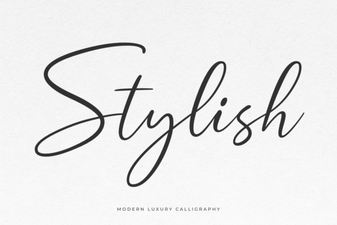 Creative Font Styles for Modern Designs
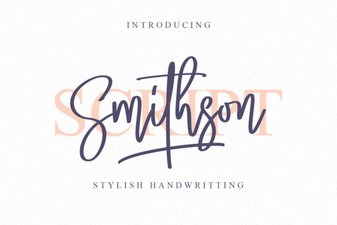 Smithson Font: Modern Typography for Creative Design
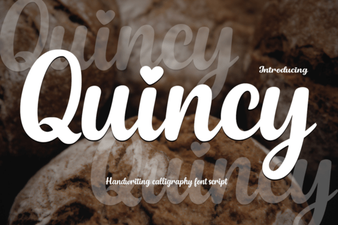 Get Creative with Quincy Font Design
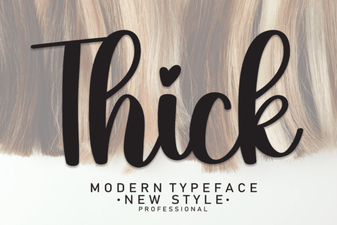 Designing with Bold & Impactful Thick Fonts
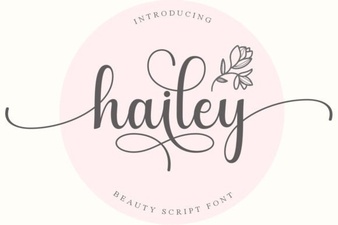 Hailey Font: Modern Typeface for Digital Designers
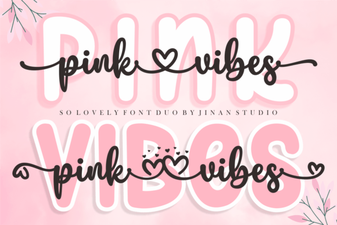 Craft Your Designs with the Pink Vibes Font Duo