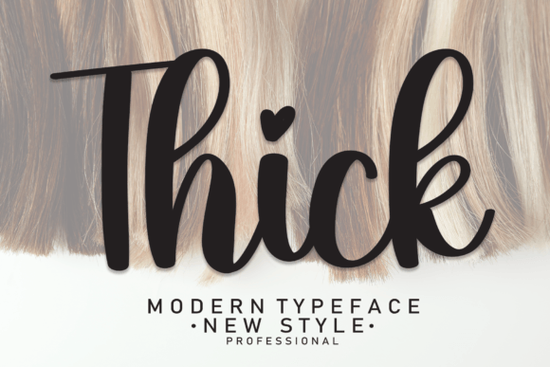
When you need a typeface that grabs attention without losing its personal touch, the Thick Font is a reliable choice for your design projects. This typeface offers a bold, handwritten feel that works beautifully across a wide range of creative applications. Whether you are designing a wedding invitation or creating a logo for a social media post, having a versatile script in your library saves time and keeps your work looking professional.
What makes a bold handwritten typeface so versatile?
Designers and crafters often look for lettering that feels authentic but still reads clearly. A bold script bridges the gap between casual handwriting and professional typography. Because the strokes are heavy and confident, they stand out on busy backgrounds. This makes it ideal for product packaging, wall displays, and advertisements where you need your message to be the focal point.
If you are exploring other styles for your next project, you might also want to check out the Smithson typeface for a slightly more traditional calligraphy look, or the Hailey family when you need something a bit more relaxed and modern.
How can small businesses use this style for branding?
Small business owners and print-on-demand sellers need typography that builds brand recognition. Using a heavy, handwritten style for your logo or product labels gives your brand a friendly, approachable vibe. It tells customers that there is a real person behind the business.
- Product Packaging: Use it for the main brand name on boxes or bags to make your items stand out on the shelf.
- Social Media Logos: The bold strokes remain legible even when scaled down for a profile picture or watermark.
- Stationery and Labels: Add a personal touch to thank you cards, shipping labels, and sticker designs.
For seasonal campaigns or softer brand aesthetics, pairing your main logo with a lighter alternative like the Pink Vibes Duo collection can give you more layout flexibility.
Where does this typeface work best in photography and events?
Photographers and event planners rely on typography to add context and emotion to their visuals. A heavy script is perfect for watermarking photography because it is distinct enough to protect your work without completely distracting from the image. For weddings and special events, it adds a romantic, grounded feel to menus, seating charts, and welcome signs.
For print-on-demand sellers, this style is highly effective on t-shirts, mugs, and tote bags where a bold, readable statement is the main selling point of the product. If you are putting together a full suite for a sunny outdoor event, you might also consider the Sunshine typeface to keep the overall mood bright and airy. Alternatively, the Stylish option is great when you want a more elegant, flowing aesthetic for formal invitations.
How do you pair heavy scripts with other elements?
Because the strokes are so prominent, you need to balance them carefully in your layouts. The best approach is to pair your main handwritten title with a clean, simple sans-serif or a highly legible serif for the body text. This contrast ensures that your design remains easy to read while still looking visually interesting.
When adjusting the spacing, give the letters plenty of room to breathe. Heavy scripts can look cramped if the tracking is too tight. You can also add subtle textures to the heavy strokes to give them a vintage feel, which works exceptionally well for craft and DIY projects. If you want to see how other creators are using similar heavy scripts, you can browse more options on the Thick Font search page for inspiration.
What should you check before finalizing your design?
Before you send your files to print or publish them online, run through this quick checklist to ensure your typography looks its best:
- Check readability at different sizes: Zoom out to see if the heavy strokes blur together when scaled down.
- Test the contrast: Make sure the text stands out clearly against your background color or image.
- Verify the kerning: Adjust the spacing between specific letter pairs if they look too close or too far apart.
- Convert to outlines: If you are sending the file to a printer or a client, outline the text so the formatting doesn't shift.
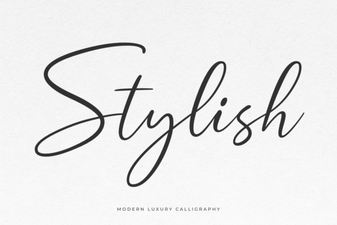 Creative Font Styles for Modern Designs
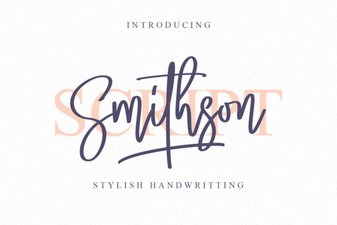 Smithson Font: Modern Typography for Creative Design
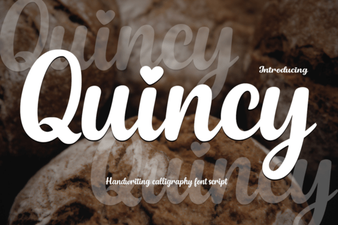 Get Creative with Quincy Font Design
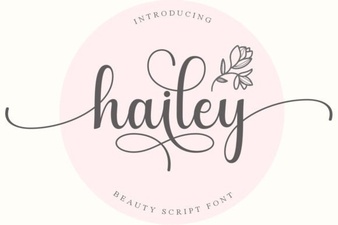 Hailey Font: Modern Typeface for Digital Designers
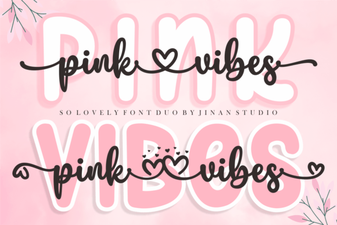 Craft Your Designs with the Pink Vibes Font Duo
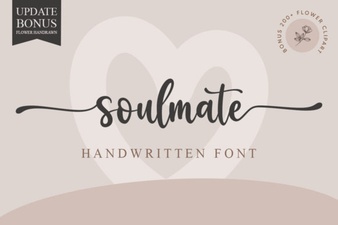 Free Soulmate Fonts for Creative Projects